Articles for Families on Play

You are here
Play Supports Learning, Creativity, and Family Connection
Play helps children explore ideas, build relationships, express creativity, and learn about the world around them. From imaginative games and outdoor adventures to everyday moments at home, playful experiences support learning in ways that feel natural and engaging. This collection of articles offers research-informed guidance and practical ideas to help families make play a meaningful part of daily life.
Why is Play Important?
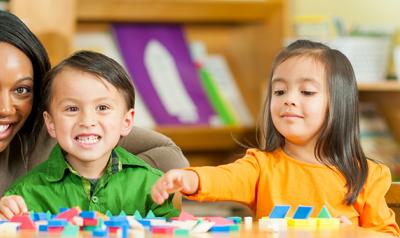
Children learn through play as they create, move, experiment, and connect with others. Play supports communication skills, problem-solving, confidence, self-regulation, and creative thinking while encouraging curiosity and joy. These resources explain how playful experiences help children grow and offer ideas for supporting learning through everyday interactions.
Support for Importance of Play

10 Things Every Parent Should Know About Play

Five Essentials to Meaningful Play


What Is Big Body Play and Why Is It Important?
Play in Action
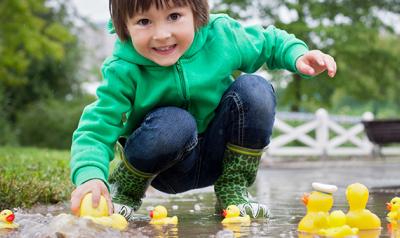
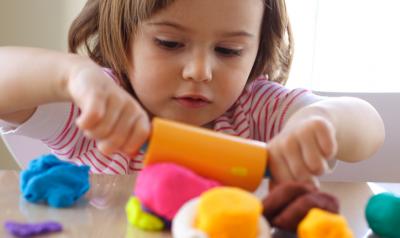
Play can grow out of simple moments and familiar routines. A puddle after the rain, a favorite toy, homemade playdough, or a dress-up activity can spark imagination and discovery. These articles share practical examples and easy ways families can encourage hands-on learning, creativity, and joyful exploration throughout the day.
Resources for Play in Action
Playdough Power
Why This Toy?