NAEYC promotes high-quality early learning for all children, birth through age 8, by connecting practice, policy, and research. We advance a diverse early childhood profession and support all who care for, educate, and work on behalf of young children.
NAEYC promotes high-quality early learning for all children, birth through age 8, by connecting practice, policy, and research. We advance a diverse early childhood profession and support all who care for, educate, and work on behalf of young children.
NAEYC promotes high-quality early learning for all children, birth through age 8, by connecting practice, policy, and research. We advance a diverse early childhood profession and support all who care for, educate, and work on behalf of young children.
Early childhood educators are responsible for ensuring children’s well-being. This includes teaching them about healthy habits, such as eating well and getting enough exercise.
Authored by
Authored by:
Sydney Yance, Chelsea Pansé-Barone, Julie C. Parker, Lori Elmore-Staton
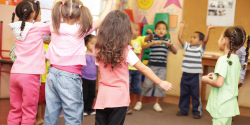
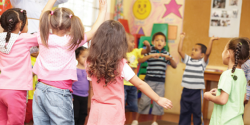
Children love to sing, dance, and listen to music. Besides providing joy and creativity, these activities allow children to express their ideas and emotions. They also can help to develop social, emotional, cognitive, and language skills.
NAEYC promotes high-quality early learning for all children, birth through age 8, by connecting practice, policy, and research. We advance a diverse early childhood profession and support all who care for, educate, and work on behalf of young children.
In this article, Mimi Brodsky Chenfield shares reflections from her experiences and conversations with children across the early childhood years—each of which builds to a major shift, moving from STEM to STEAM.
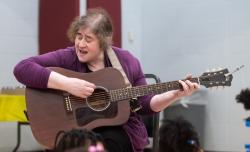
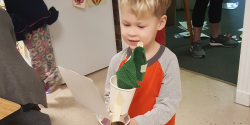
You don’t need to be a musician to use music comfortably, confidently, and creatively with children. Here are eight ways to make it an integral part of your classroom.
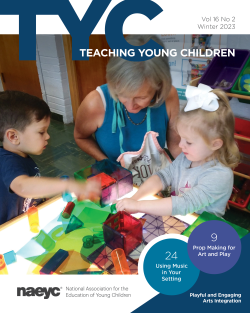
No matter your own skills in the arts, this issue of Teaching Young Children has ideas for you. You’ll learn about “process art”, ways to integrate art into other content areas, using music in your setting, and more!
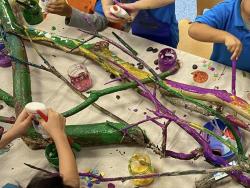
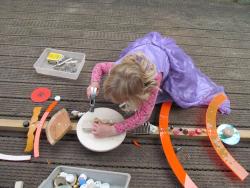
This article shares ways in which process art can help children grow in their expressive language, nurture social and emotional development, and encourage thinking skills.
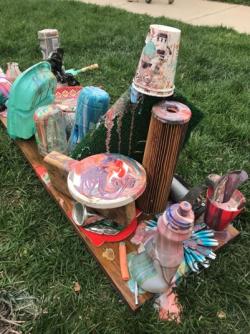
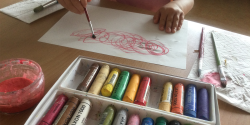
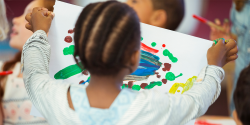
People often think about art as creating something beautiful—a replica Starry Night collage or a seasonal craft to serve as a gift. But when children engage in process art, they explore and experience materials without working toward a particular goal.
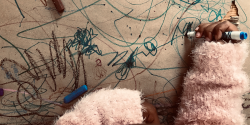
The following DAP snapshot and reflection touches on how one teacher responded to children’s marks on paper, encouraging creativity and integrated learning, particularly around drawing, writing, and storytelling.